Sample and Proof Planning
Can I Get a Sample Before Ordering Custom Light-Up Pins
You can ask about a sample before ordering custom light-up pins, but the best approval step depends on the event date, artwork risk, quantity, and how certain the team needs to be before production starts. Many buyers can approve from a detailed virtual proof and relevant project examples. Some orders deserve a physical sample discussion before the full run.

Start With the Approval Question, Not the Word Sample
A sample request usually means the buyer wants confidence before spending the full budget. That confidence may come from a virtual proof, a photo of a similar finished project, a short video of an animated example, or a physical pre-production sample. The right path depends on what the buyer needs to approve.
If the concern is logo readability, a proof may answer it. If the concern is how bright the lights feel in a ballroom, a prior animated example may help. If the concern is a board-level retail launch or a strict brand review, a physical sample may be worth discussing early.
Virtual Proofs Answer Most Artwork Decisions Faster
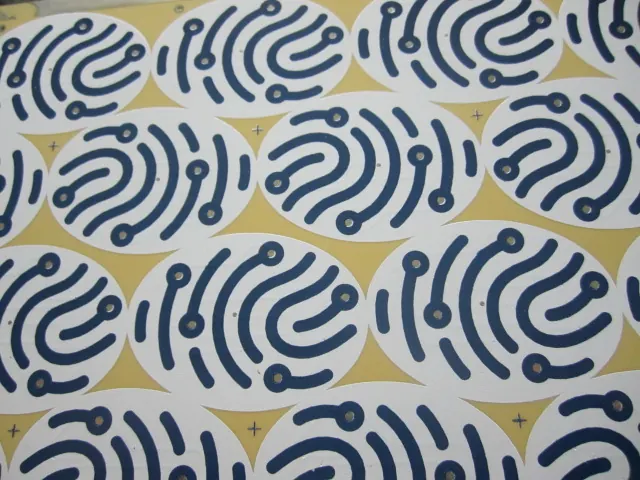
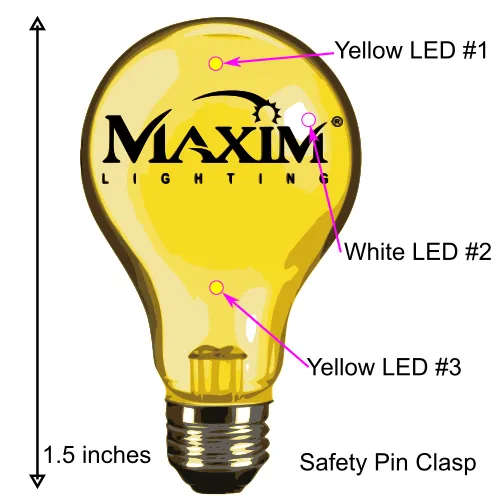
A virtual proof is usually the first approval tool for a custom light-up pin. It can show the shape, logo placement, approximate size, printed color direction, LED locations, LED colors, and clasp choice before the order moves forward.
For many event buyers, that is enough to approve the design and keep the schedule moving. It is especially helpful when the event date matters more than testing a one-off physical item. Review the proof for the biggest risks: tiny text, crowded sponsor marks, unclear LED placement, and a clasp choice that does not fit the clothing people will wear.
A Physical Sample Can Add Confidence and Time
A physical sample can be useful, but it is not the same as checking a stock item from a shelf. A custom sample still has to reflect the logo, shape, LED plan, colors, and backing choice for the project. That can add cost and timing before the bulk order begins.
Ask about a physical sample early if your team needs hands-on approval from executives, sponsors, retail buyers, brand managers, or a committee. It is harder to fit a sample step into the schedule after the event date is already close.
Match the Approval Step to the Risk
| Buyer Concern | Useful Approval Step | What to Check |
|---|---|---|
| Small logo details | Virtual proof and simplified artwork review. | Readable text, bold outline, and enough clear space around the LEDs. |
| Light placement | LED diagram or animated project reference. | Whether the lights support the logo instead of covering the message. |
| Brand color sensitivity | Proof with color notes and Pantone direction. | Main brand colors, contrast, metallic effects, and print expectations. |
| Wearer comfort | Prior project example or physical sample discussion. | Pin size, weight, clasp type, garment type, and movement during the event. |
| High-value launch | Physical sample path discussed before quoting. | Approval deadline, sample cost, revision limits, and bulk production timing. |
Sample Timing Should Protect the Event Date
If the event date is fixed, the sample plan has to fit the calendar. A sample is only helpful when there is still enough time to review it, request changes, approve the final design, produce the full quantity, and ship before the in-hands date.
Prior Project Examples Can Shorten the Decision
LogoBlinkee has finished examples that show different shapes, LED counts, animated light behavior, clasp styles, and artwork types. A buyer comparing a mascot, badge, wordmark, ribbon, lightbulb, heart, or sign-shaped pin can often learn more from a relevant finished example than from a generic sample that does not match the project.
Use the portfolio to compare how real projects handled artwork shape and LED placement. If a prior example feels close to your order, mention it when requesting a quote so the team understands the direction you like.
Artwork Changes Are Cheaper to Catch Before Sampling
Before paying for or waiting on a physical sample, clean up the artwork request. Send the best logo file available, confirm required brand colors, remove unnecessary tiny copy, and decide which part of the pin should light up. A sample made from unsettled artwork can create more revisions instead of more certainty.
If your logo has fine lines, gradients, tiny type, or a detailed mascot, review which logo details do not translate well to custom light-up pins before requesting a sample path. The design may need simplification before any approval step makes sense.
Use the Sample Conversation to Set Revision Boundaries
A sample request should include what happens if the buyer wants changes. Some changes may be simple artwork updates. Others can affect shape, LED placement, tooling, timeline, or cost. Decide who has final approval before the sample or proof is reviewed.
For committee-led orders, gather feedback into one clear revision list. Separate must-fix issues from preferences. The proof revision planning notes can help teams avoid sending conflicting comments after the design is already close.
Clasp and Size Matter More in a Hands-On Review
Physical samples are most valuable when the pin has to be worn in a specific setting. Staff shirts, suit jackets, dresses, uniforms, lanyards, and costumes all behave differently. The clasp can affect how securely the pin sits and whether garment holes are acceptable.
If the sample decision is mostly about how the pin will feel on clothing, review custom light-up pin size planning and magnet clasp considerations before choosing the approval path.
What to Send When Asking About a Sample
| Detail to Send | Why It Helps | Good Starting Point |
|---|---|---|
| Logo or artwork | Shows whether the design is ready for proofing or needs simplification. | Vector file, high-resolution PNG, or previous approved artwork. |
| Quantity range | Helps compare sample value against full order size. | 250, 500, 1,000, or expected attendee count. |
| Event or approval deadline | Confirms whether a sample step can fit before production. | In-hands date plus internal approval meeting date. |
| Approval concern | Points the team toward proof, example, video, or sample guidance. | Brightness, size, brand color, board approval, or wearer comfort. |
| Clasp and wearer setting | Connects the sample question to the way people will wear the pin. | Volunteers on shirts, sponsors on jackets, students at pep rallies. |
When to Skip the Sample and Move to Production
A physical sample may not be the best use of time when the event date is close, the logo is simple, the quantity is modest, the team has already approved a clear proof, or the order is repeating a known design. In those cases, the priority is often clean artwork approval and fast decision-making.
For repeat events, compare the new order against the prior proof and any finished pin photos. The reorder planning article can help decide which details should stay the same and which changes need fresh approval.
Ask for the Approval Path That Fits Your Deadline
Send the logo, quantity range, event date, and the reason you want a sample. LogoBlinkee can help decide whether a virtual proof, similar finished example, animated reference, or physical sample discussion is the right next step before the full custom light-up pin order.
Sample Questions Custom Pin Buyers Ask
Can I see a sample before ordering custom light-up pins?
Ask early. Depending on the artwork, timing, quantity, and approval needs, LogoBlinkee may recommend a virtual proof, a relevant prior project example, or a physical sample path before the full order.
Is a virtual proof the same as a finished sample?
No. A virtual proof shows artwork, size, shape, colors, LED placement, and clasp direction. A finished physical sample is a made item and can add time, cost, and extra approval steps.
When is a physical sample most useful?
A physical sample is most useful for high-stakes approvals, unusual shapes, strict brand requirements, retail-style programs, repeat annual orders, or teams that need to test how the pin feels when worn.
What should I approve before full production?
Approve the logo shape, readable text, colors, LED locations, LED colors, size, clasp type, quantity, deadline, and any packaging or wearer-group details.
More Quote-Approval Help for Custom Pins
Source Notes for Sample and Proof Planning
LogoBlinkee portfolio examples, proof visuals, LED diagrams, and finished animated pin images show how artwork, light placement, clasp choice, size, and wearer setting affect approval decisions before a custom order moves into production.